1. Storage, Storage, Storage
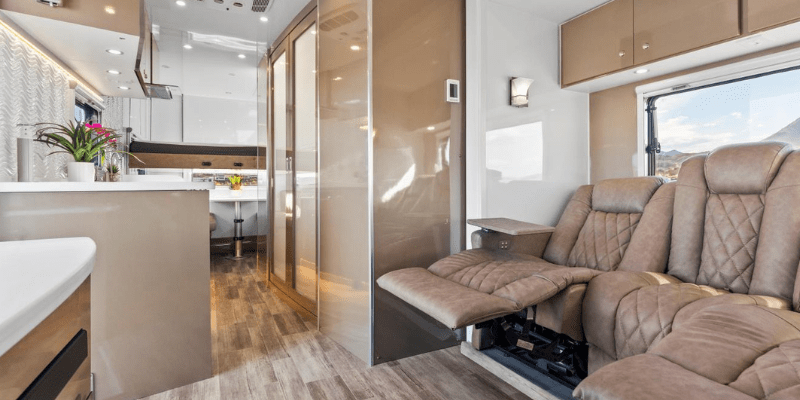
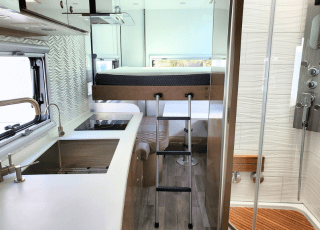
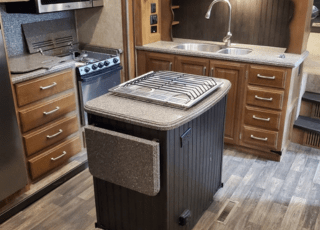
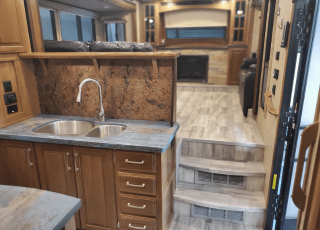
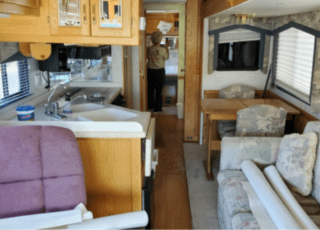
RVs have come a long way from the days of cramped bookshelves and hidden compartments. Now manufacturers are optimizing every square foot of space.
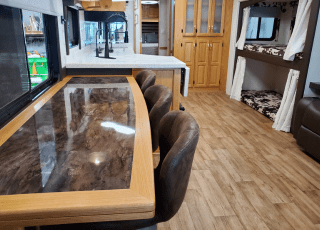
RV manufacturers are keenly attuned to the needs of their clients, especially when it comes to storage. The demand for extra storage space has become a central focus for new buyers. Whether it’s cleverly designed hidden compartments, under-sofa drawers, or innovative storage solutions within dining tables, manufacturers are committed to optimizing every nook and cranny.
This trend reflects the evolving lifestyle of RV enthusiasts who want to pack efficiently and keep their belongings organized while on the road. So, rest assured that when you step into a modern RV, you’ll find storage options that cater to your every need. Whether you’re packing for a weekend getaway or a long-term adventure, customizable storage options abound.
2. Layouts for the Modern Family
RVing isn’t just for retirees anymore. With remote work and greater job flexibility, younger crowds are embracing the lifestyle. Manufacturers now offer floor plans catering to various campers. Whether you’re traveling with adult children, another couple, or a younger family, there’s a layout for everyone.
Layouts play a vital role in the RV and motorhome industry, especially for new buyers. Here’s why:
Functionality: Buyers want layouts that maximize functionality. Whether it’s a family of four or a couple traveling solo, the layout should accommodate their lifestyle. Is there enough seating? Can a desk for remote workers be added? Can the kitchen be efficiently used? Are the sleeping areas comfortable? These questions drive layout choices.
Privacy: Privacy matters, even in compact spaces. Well-designed layouts ensure separate sleeping areas, private bathrooms, and discreet nooks. Buyers appreciate layouts that allow them to retreat and unwind without feeling cramped. Plus kids in bunk beds need their own plugins, ports and curtains.
Traffic Flow: A well-thought-out layout minimizes congestion. Buyers look for easy movement between living, dining, and sleeping areas. Efficient traffic flow enhances the overall RV experience.
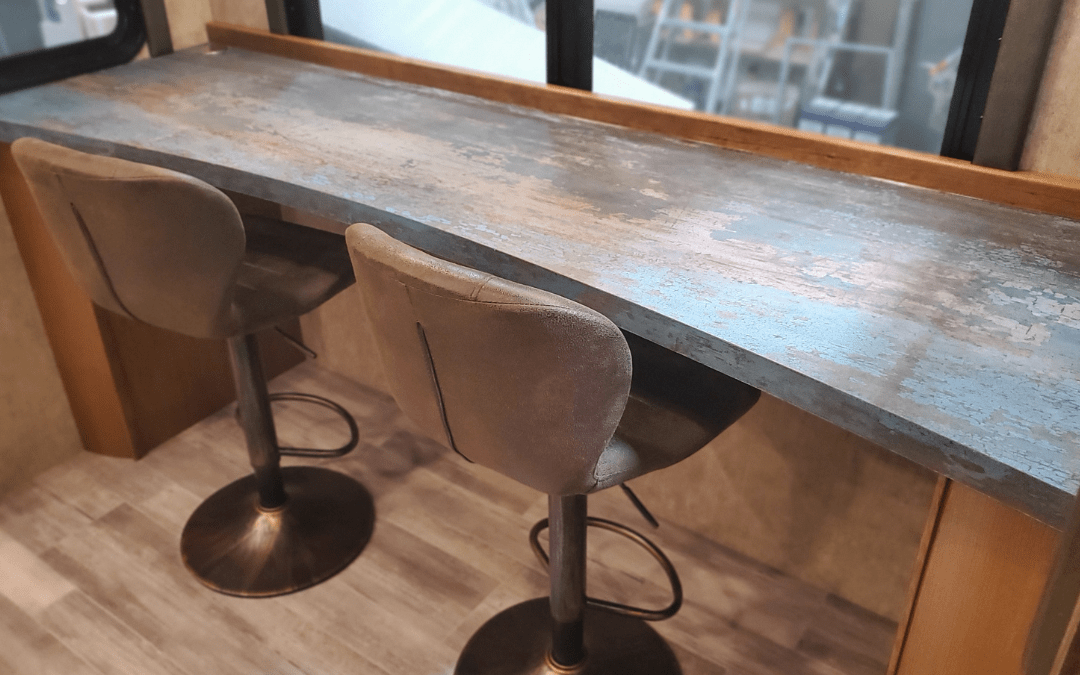
Multi-Functionality: Buyers seek versatility. Can the dining table double as a workspace? Is there storage under the bed? Smart layouts provide multifunctional spaces that adapt to changing needs.
Aesthetics: Layouts impact aesthetics. Buyers want visually appealing interiors. Whether it’s an open concept or defined zones, aesthetics influence their emotional connection to the RV.
Slide-Outs: Slide-outs create extra space when parked. Buyers consider how slide-outs affect the overall layout. They appreciate designs that balance expanded living areas with practicality.
3. Outdoor Spaces for Your Outdoor Space
Toy haulers used to be the go-to for outdoor enthusiasts, but now everyone wants a consistent outdoor hangout spot. Picture setting up a table and chairs, letting the dog roam leash-free, or creating a bug-free zone.
Aesthetic Appeal: Beyond functionality, a well-designed outdoor space enhances the overall camping experience. It’s a place to relax, unwind, and enjoy nature. setups create a cozy atmosphere that feels like home away from home.
- Functional Benefits: Outdoor living areas serve multiple purposes. They can be additional dining spots, recreational zones, or simply places to enjoy fresh air. Space allows you to personalize your RV lifestyle and make it uniquely yours.
- Privacy and Comfort: Privacy screens, outdoor rugs, and awnings transform your campsite into a homely oasis. Comfortable seating encourages socializing, reading, or simply soaking in the surroundings. When your outdoor space is inviting, you’ll spend more time outdoors, connecting with nature.
- Campfire Gatherings: If campfires are allowed, a well-arranged outdoor space becomes the perfect spot for cozy campfire gatherings. It’s where stories are shared, marshmallows are roasted, and memories are made.
In summary, a beautiful and functional outdoor space isn’t just a luxury—it’s an essential part of the RV lifestyle, enhancing both aesthetics and practicality. So, whether you’re under the stars or by a scenic lake, make the most of your outdoor haven!
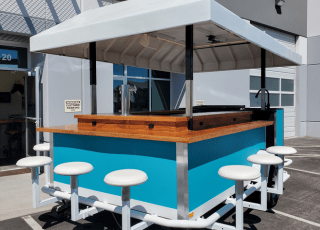
While toy hauling capabilities are still common in fifth wheels, smaller travel trailers are blurring the line between indoor and outdoor living.
4. Warmth and Depth in Interior Design
RV interiors are getting cozier. Wood finishes are warmer and richer, layered textures create inviting spaces, and moody colors adorn the walls.
Over the years, RV interior design has evolved significantly, creating cozier and more inviting spaces. Let’s delve into the secrets behind these improvements:
Color Trends:
Shift from Gray: In the past, RVs often featured gray cabinetry, which could feel cold. Nowadays, there’s a move toward warmer wood tones. Lighter and cooler wood stains give RV interiors a fresh, updated look
Pop of Color: While manufacturers tend to stick to classic cabinet colors, adventurous RV owners can inject personality by choosing bold colors for cabinets, walls, bedding, and decor.
Texture Matters:
Tactile Design: Texture plays a crucial role. Varying textures—like embossed walls, visible wood grain, fabric weaves, and countertop finishes—create depth and visual interest. A mix of textures prevents spaces from feeling dull.
Bonus Spaces:
Flexibility: RVs now offer extra spaces that adapt to your needs. Whether it’s a cozy reading nook, a workspace, or a craft area, these bonus spaces enhance comfort and functionality.
Hygge Elements:
Neutral Earth Tones: Incorporate fir green, sandy beige, and snow white for a hygge-inspired feel. Layer in soft, chunky knit throws and natural woven rugs. Wood paneling and accents add a touch of nature.
Modern Wood Tones:
Cooler Stains: Gone are the reddish and blonde woods. Cooler tones like greyed and whitewashed wood stains create a peaceful, minimalist ambiance in RVs.
In summary, RVs now boast stylistic features that blend practicality with aesthetics, making them cozier, warmer, and more inviting than ever before. Whether it’s the color palette, texture, or bonus spaces, these design improvements enhance the overall RV experience.
5. Nature-Inspired Décor
Earthy tones, botanical prints, and natural textures dominate RV interiors. Think leafy patterns, wooden accents, and stone-inspired surfaces.
In 2024, nature-inspired designs have taken center stage in the world of RVs, creating a harmonious blend of comfort and aesthetics. Here’s why you should consider renovating your RV with warm tones and natural elements:
Earth Tones and Wood Accents:
Warm Palette: RV interiors now favor earthy, warm tones—think sandy beige, fir green, and snow white. These colors evoke a sense of tranquility and connection to nature.
Whitewashed Wood: Say goodbye to reddish and greyed woods, like blonde and whitewashed finishes, create a minimalist yet cozy ambiance.
- Hygge Vibes:
- Texture and Comfort: Hygge, the Danish concept of coziness, emphasizes tactile elements. Layer your RV with chunky knit throws, natural woven rugs, and wood paneling to evoke that snug feeling.
- Natural Materials: Incorporate stone, wood, and organic textures.cabinets with glass, mesh, or rattan doors for a touch of elegance and openness.
- Bonus Spaces and Flexibility:
- Adaptable Areas: Modern RVs feature bonus spaces that adapt to your needs. Whether it’s a cozy reading nook, a workspace, or an extra sleeping area, these flexible spaces enhance functionality and comfort.
- Dual-Purpose Islands: In the kitchen, consider a large island that doubles as a work surface, craft area, or even a heart-to-heart conversation spot.
So, embrace the natural world within your RV—warm tones, wood accents, and cozy textures—to create a modern, inviting haven on your travels!
Multifunctional Furniture
Space optimization is crucial in an RV. Multifunctional furniture is a game-changer. Imagine a sofa that converts into a bed, a dining table with hidden storage, or foldable pieces that adapt to your needs.
RV manufacturers have embraced the trend of multi-functional designs for furniture, catering to the needs of modern travelers. Here’s why these versatile pieces are gaining popularity:
- Space Efficiency: In compact RVs, every square inch matters. Multi-functional furniture maximizes space by serving multiple purposes. For instance, ottomans double as storage containers, and sofas hide sleepers underneath.
- Solutions: Tables that fold away, seats with hidden storage, and beds that transform into stylish cabinets—these innovations make RV interiors adaptable. By day, your living area thrives; by night, it seamlessly transitions into a cozy bedroom.
- Customization: RV owners can choose from various designs and sizes to match their personal taste and the overall aesthetic of their mobile home. Whether you prefer built-in options or DIY projects, the possibilities are endless.
And if you lack the expertise or time, fear not! Professional RV renovators specialize in turning your vision into reality. From complete makeovers to tackling specific renovation tasks, they’re your go-to resource for creating a functional and stylish RV interior. So go ahead, embrace the multi-functional revolution and transform your RV into a cozy haven!
7. Tech Integration
RVs now offer something for everyone. From smart appliances to entertainment systems, technology from this century is standard. Stay connected and comfortable on the road.
8. Vintage Revival
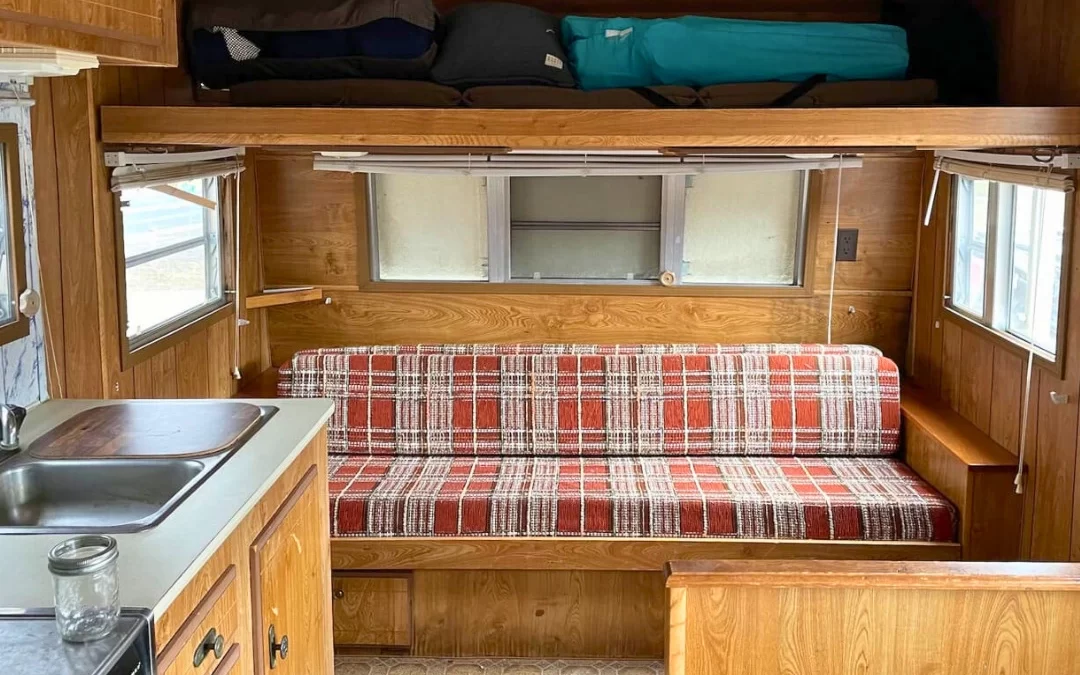
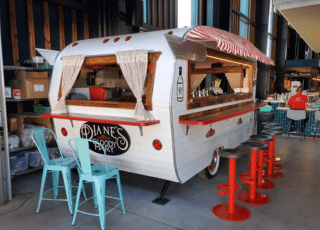
Nostalgia is in! Retro-inspired designs, vintage color palettes, and throwback accessories are making a comeback. Channel your inner wanderlust with a touch of yesteryear.
In recent years, there has been a noticeable shift in the RV industry, with vintage RVs making a significant comeback in 2024.
This resurgence of interest in classic campers and trailers is not just a passing trend but a reflection of changing consumer preferences and a desire for unique, personalized travel experiences.
The appeal of vintage RVs lies in their distinctive character and charm, which sets them apart from the mass-produced motorhomes and travel trailers that have dominated the market for decades.
These retro-inspired vehicles offer a refreshing alternative to the cookie-cutter designs that have become all too common in modern RV dealerships.
One of the main reasons for the growing popularity of vintage RVs is their ability to serve as conversation starters.
When you pull up to a campsite in a beautifully restored classic trailer, it’s almost guaranteed to draw attention and admiration from fellow campers.
These eye-catching vehicles often become the centerpiece of social interactions, allowing owners to share stories about their restoration projects and travel adventures.
The vintage aesthetic also taps into a broader cultural trend of nostalgia and appreciation for craftsmanship.
Many people are drawn to the idea of owning a piece of history, and vintage RVs offer a tangible connection to the past.
The clean lines, bold colors, and iconic designs of classic trailers evoke a sense of simpler times and the golden age of road trips.
Custom-made vintage trailers have become particularly desirable in 2024.
These bespoke creations allow owners to combine the best of both worlds – the timeless appeal of vintage design with modern amenities and technology.
Skilled craftsmen and restoration experts can transform old trailers into stunning, one-of-a-kind masterpieces that reflect the owner’s personal style and preferences.
The customization options for vintage RVs are virtually limitless. From retro-inspired interiors with period-correct furnishings to modern upgrades like solar panels and smart home technology, these trailers can be tailored to suit any taste or need.
This level of personalization is simply not possible with most mass-produced RVs, which often come with limited options and standardized layouts.
Another factor contributing to the comeback of vintage RVs is the growing interest in sustainable and eco-friendly travel.
By restoring and repurposing older trailers, enthusiasts are giving new life to vehicles that might otherwise end up in landfills.
This aligns with the values of environmentally conscious travelers who are looking for ways to reduce their carbon footprint while still enjoying the freedom of the open road.
The vintage RV community has also played a significant role in fueling this trend.
Events like the Vintage Camper Trailers Boot Camp and the Modernism Week Vintage Trailer Show bring together enthusiasts from all over the country to celebrate and share their passion for classic campers.
These gatherings provide opportunities for networking, learning restoration techniques, and showcasing beautifully restored trailers.
The Modernism Week Vintage Trailer Show, in particular, has become one of the largest and most attended vintage trailer shows in the United States.
This annual event features a curated collection of vintage trailers, campers, buses, and motorhomes, offering attendees a chance to step back in time and appreciate the craftsmanship and design of these classic vehicles.
For many enthusiasts, the process of restoring a vintage RV is just as rewarding as the end result.
The hands-on nature of these projects allows owners to develop new skills, learn about the history of their vehicles, and create a deep personal connection with their trailers.
This sense of accomplishment and pride is often missing from the experience of purchasing a brand-new RV off the lot.
The financial aspect of vintage RVs is also worth considering. While some fully restored or custom-built vintage trailers can command premium prices, many enthusiasts find that restoring an older RV can be more cost-effective than buying a new one.
With some DIY skills and patience, it’s possible to create a unique and stylish travel companion for a fraction of the cost of a new motorhome.
However, it’s important to note that owning a vintage RV isn’t without its challenges. These older vehicles often require more maintenance and may lack some of the conveniences found in modern RVs.
But for many enthusiasts, these quirks and imperfections are part of the charm and add character to their travel experiences.
The comeback of vintage RVs in 2024 is also influencing the design of new RVs. Many manufacturers are now offering retro-inspired models that combine classic aesthetics with modern technology and construction techniques.
These “new vintage” RVs cater to those who want the look of a classic trailer without the potential headaches of maintaining an older vehicle.
As we look to the future, it’s clear that the appeal of vintage RVs is more than just a passing fad.
These classic campers represent a desire for individuality, craftsmanship, and a connection to the past in an increasingly homogenized world.
Whether it’s a meticulously restored Airstream from the 1950s or a custom-built trailer inspired by retro designs, vintage RVs offer a unique and exciting way to explore the great outdoors.
The resurgence of interest in vintage RVs is a testament to their enduring appeal and the creativity of the RV community.
As more people discover the joys of owning and traveling in these classic vehicles, we can expect to see even more innovation and excitement in the world of vintage campers. Find out about our vintage trailers at Artisan Retro Trailers.
Whether you’re a seasoned RV enthusiast or a newcomer to the world of road travel, there’s never been a better time to embrace the vintage RV lifestyle and make your own mark on the open road. Our retro trailers are displayed on our site as well.
9. Sustainable Materials
Eco-conscious RVers appreciate sustainable materials. Look for bamboo cabinetry, recycled fabrics, and energy-efficient appliances. It’s a win for both you and the planet.
The RV industry is undergoing a significant transformation as manufacturers increasingly prioritize eco-friendly and sustainable practices in their designs and production processes.
This shift towards more environmentally conscious RVs is not only meeting the growing demand from environmentally aware consumers but also contributing to a more sustainable future for the industry as a whole.
One of the most notable changes in modern RV design is the use of innovative, eco-friendly materials.
Manufacturers are moving away from traditional, less sustainable options and embracing alternatives that offer both performance and environmental benefits.
A prime example of this is the adoption of sheep’s wool insulation.
Sheep’s wool insulation is a natural, renewable resource that offers excellent thermal and acoustic properties.
Unlike synthetic insulations, it’s biodegradable and doesn’t release harmful chemicals into the environment.
This material is not only effective at regulating temperature inside the RV, helping to reduce energy consumption for heating and cooling, but it’s also naturally fire-resistant and moisture-wicking.
These properties make it an ideal choice for RV insulation, providing comfort and safety while reducing the vehicle’s environmental impact.
American-made products are also playing a crucial role in making RVs more eco-friendly.
By sourcing materials and components domestically, manufacturers can significantly reduce the carbon footprint associated with transportation.
This shift not only supports local economies but also ensures better quality control and adherence to stricter environmental standards.
Many RV manufacturers are now using aluminum framing and components in their designs.
Aluminum offers strength and durability while reducing the overall weight of the RV. This weight reduction leads to improved fuel efficiency when towing, which in turn reduces emissions.
Moreover, aluminum is highly recyclable, making it a more sustainable choice compared to other materials.
Another innovative material gaining popularity in RV construction is Azdel composite sidewalls.
This alternative to wood is lighter, more durable, and provides better insulation. The use of Azdel not only contributes to fuel savings due to reduced weight but also improves the RV’s energy efficiency, reducing the need for excessive heating or cooling.
Solar energy is becoming increasingly integrated into modern RV designs. Many manufacturers now offer solar packages as standard features or upgrades.
These solar systems, ranging from basic setups to more comprehensive off-grid solutions, allow RV owners to harness clean, renewable energy.
This reduces reliance on traditional power sources and enables more sustainable camping experiences, especially in remote locations.
LED lighting has become the norm in most modern RVs. These energy-efficient lights consume significantly less power than traditional incandescent bulbs, reducing overall energy consumption.
LED lights also have a longer lifespan, which means less waste over time.
Water conservation is another area where RV manufacturers are making strides.
Many new models come equipped with low-flow faucets and showerheads, as well as more efficient water heaters.
Some manufacturers are even incorporating greywater recycling systems, allowing water from sinks and showers to be reused for flushing toilets or other non-potable purposes.
The use of sustainable and recycled materials extends beyond insulation and structural components.
Many RV manufacturers are now using recycled plastics and other materials for interior components such as countertops, flooring, and furniture.
This not only reduces waste but also creates unique, attractive finishes that appeal to environmentally conscious consumers.
Manufacturers are also focusing on improving the overall energy efficiency of RVs.
This includes better sealing and weatherstripping to prevent air leaks, the use of double-pane windows for improved insulation, and the installation of energy-efficient appliances.
Some RVs now come with smart energy management systems that help owners monitor and optimize their power usage.
The shift towards more sustainable RV production isn’t limited to the vehicles themselves.
Many manufacturers are also implementing eco-friendly practices in their production facilities.
This includes using LED lighting in factories, recycling water used in testing RV tanks, and improving insulation in manufacturing plants to reduce energy consumption.
Some companies are even setting ambitious goals to reduce their overall environmental impact.
For instance, there are initiatives to replace traditional gas-powered forklifts with electric models in manufacturing facilities.
These small changes, when implemented across large-scale operations, can lead to significant reductions in carbon emissions.
The use of advanced manufacturing technologies is also contributing to more sustainable RV production.
Optimized cutting systems, like the Dimter OptiCut S-50, are reducing wood and aluminum scrap by up to 25 percent, allowing for more efficient use of materials and less waste.
Similarly, advanced panel storage and retrieval systems are streamlining the manufacturing process, reducing energy use and material damage.
It’s important to note that these eco-friendly innovations aren’t just beneficial for the environment; they often translate to better quality and durability for the end consumer. For example, the use of more durable, sustainable materials can lead to RVs with higher resale values and longer lifespans, further reducing waste in the long term.
The RV industry’s move towards more sustainable practices is also influencing consumer behavior.
As more eco-friendly options become available, RV owners are becoming more conscious of their environmental impact. This has led to increased interest in boondocking (camping without hookups), which encourages more self-sufficient and low-impact camping practices.
While the industry has made significant strides, there’s still room for improvement. Continued research and development into new materials, more efficient energy systems, and even alternative fuel sources for motorized RVs will be crucial in further reducing the environmental impact of RV travel.
In conclusion, the RV industry is embracing sustainability in a big way. From the use of eco-friendly materials like sheep’s wool insulation to the incorporation of renewable energy systems, modern RV manufacturers are leading the charge towards a more sustainable future for outdoor recreation.
These changes not only benefit the environment but also often result in higher-quality, more efficient RVs that provide a better experience for users.
As the industry continues to innovate, we can expect to see even more eco-friendly advancements in RV design and manufacturing in the years to come.
Whether you’re a seasoned RVer or just starting your journey, these trends will shape the RV landscape in 2024.
If you have any questions or need your RV renovated please call us at: 702-743-0347 at Ace of Spades Custom RV and Repair here in Las Vegas, NV